Stief DeSmet, Colin Waeghe
Please be a good neighbour
10.05.2026 - 20.06.2026
- Text
- Gallery views
- Artists: Stief DeSmet, Colin Waeghe
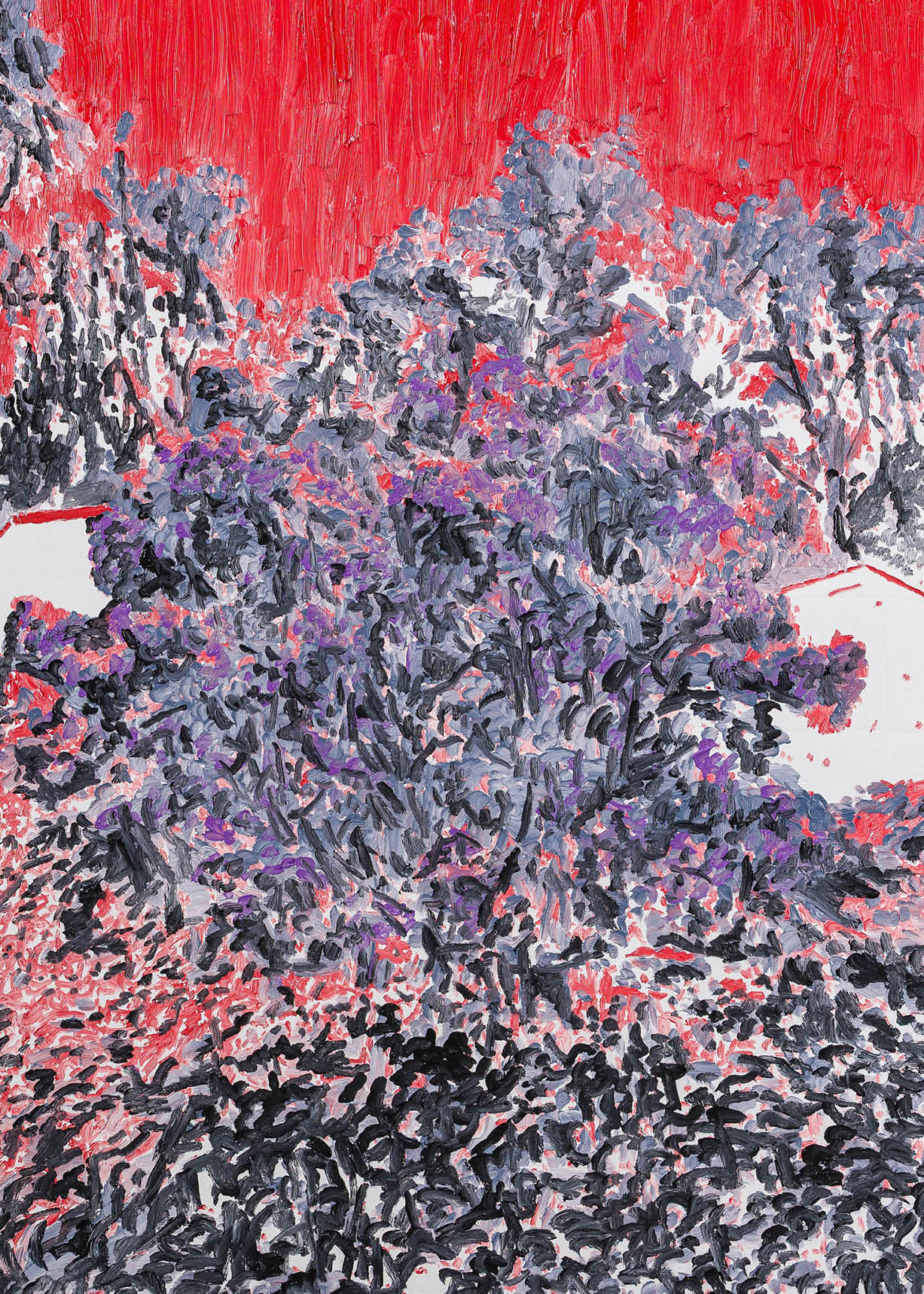
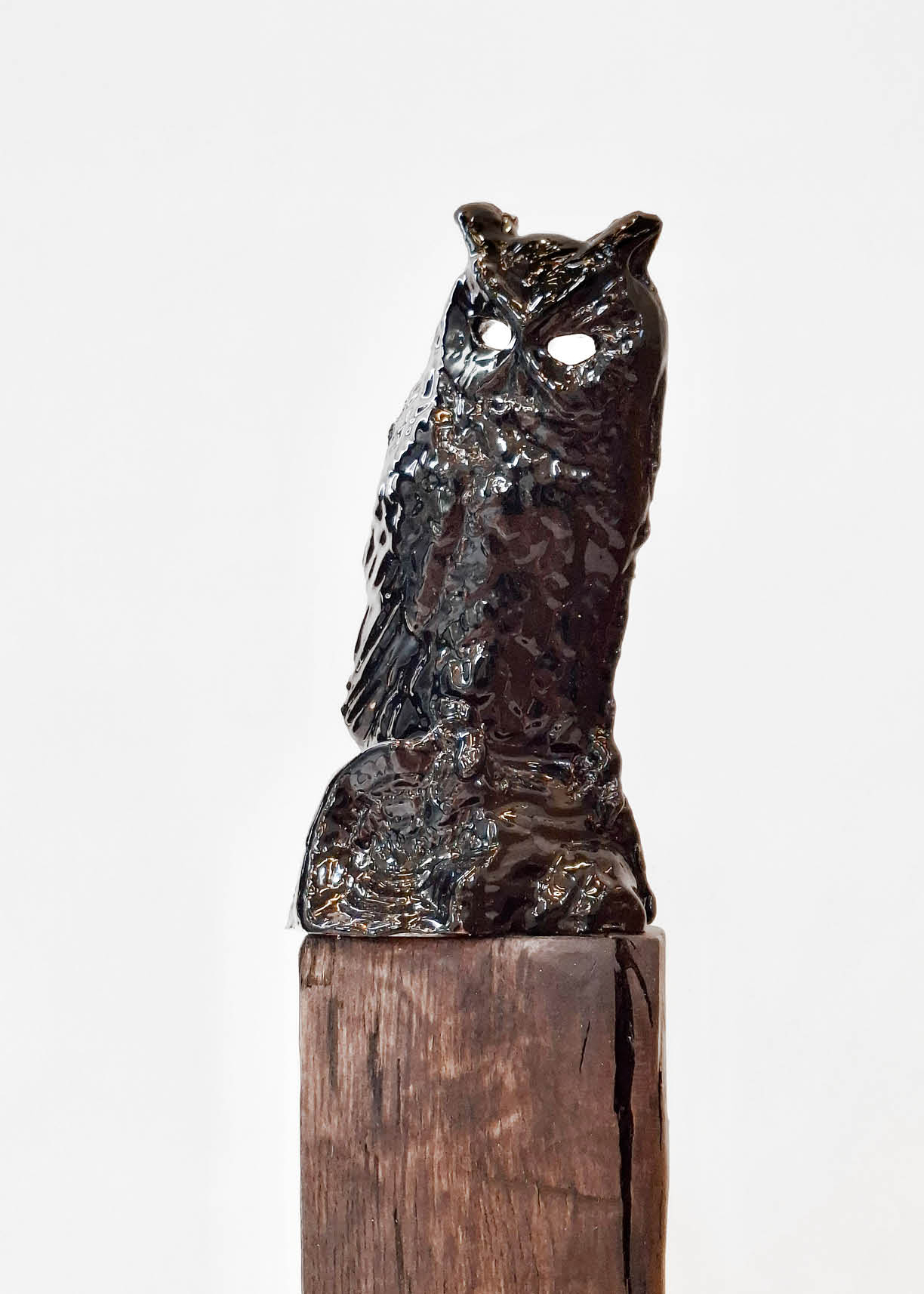
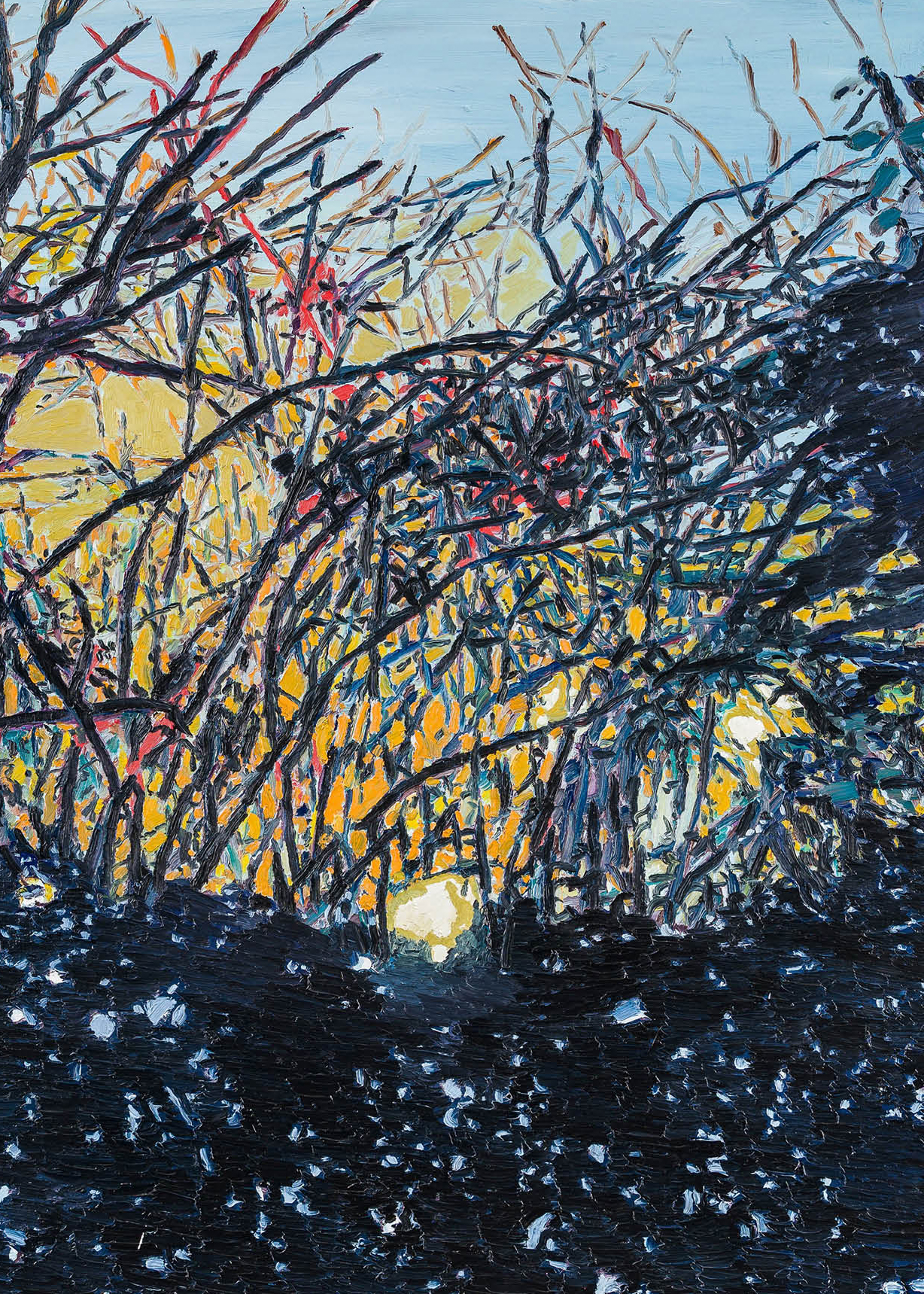
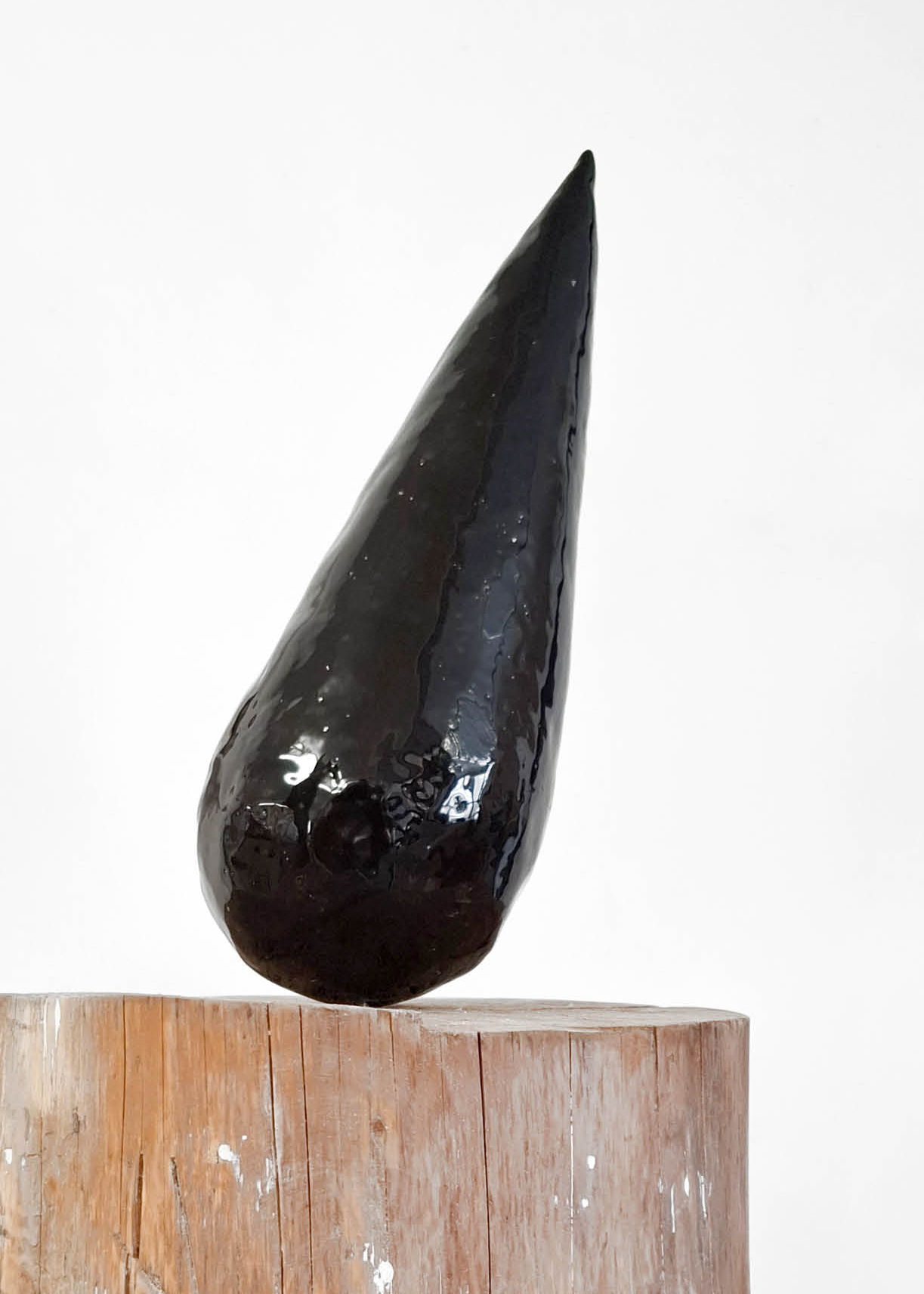
A polite phrase, almost casually left behind in a holiday resort, becomes the point of departure: please be a good neighbour.What sounds gentle also carries the contours of rules, of watching and being watched. In this exhibition Colin Waeghe and Stief DeSmet move alongside one another as neighbours who do not occupy each other’s territory but subtly shift it. In Waeghe’s work the holiday park appears as a quiet construction: hedges that conceal and houses that remain silent. Yet beneath the surface something else begins to grow moss, discolouration and slow decay as if the world is gradually slipping free from its own imposed order. Nature is never self-evident in DeSmet’s work either. It is rearranged, displaced and remembered. His works carry traces of disappearance while images tilt between recognition and estrangement. His practice moves restlessly searching and resisting fixity.
In the work of Colin Waeghe (1980) the holiday resort functions as a microcosm: a carefully orchestrated environment in which order, uniformity and discretion prevail. Houses hide behind meticulously maintained hedges private domains are consistently shielded from view and human presence remains largely implicit. Yet signs of decay and abandonment slowly seep in. On vacant plots nature gradually reclaims its territory moss, fungi and discolouration undermine the illusion of control. These images reveal a fundamental tension between the desire for mastery and the inevitability of change. Colour and plasticity play a central role here: they not only celebrate the vitality of life but also make the fragility of imposed structures tangible.
This thematic resonates in intriguing ways with the oeuvre of Stief DeSmet (1973) who likewise operates at the intersection of nature and culture. In his work the natural world is continuously manipulated, staged and questioned. DeSmet embodies an ambiguous position: on the one hand a longing for a sublime untouched nature on the other a critical reflection on the fiction and construction of that very desire. His practice is multifaceted moving freely between painting, sculpture, installation and performance. By twisting, disrupting or shifting existing images out of context he opens up a space in which meaning is never fixed but constantly renegotiated.
Where Waeghe exposes the quiet tension within controlled environments DeSmet introduces a more erratic associative dynamic that pressures the boundaries between the artificial and the organic. Together their works create a field of friction in which ideas of community, control, desire and decay intersect. Please be a good neighbour unfolds as an exploration of the fragile balance between order and entropy between social convention and individual freedom. What begins as a polite appeal gradually expands into a broader reflection on how we coexist delineate boundaries and assign meaning to our surroundings and how those same surroundings despite everything continue to elude our grasp.