Stefan Peters, Peter H. Waterschoot
How the Light Gets In
11.01.2026 - 28.02.2026
How the Light Gets In brings painter Stefan Peters and photographer Peter H. Waterschoot together at Galerie Zwart Huis. In this duo exhibition, both artists explore how light manifests itself through ruptures, detours, and moments of alertness. In his paintings, Stefan Peters allows space for the unexpected to emerge within the making process, while Peter H. Waterschoot, through photography and scenography, develops images that balance atmosphere, time and inner experience. The exhibition presents an intense dialogue between painting and photography, in which light is not merely made visible but becomes tangibly present.
With How the Light Gets In, Galerie Zwart Huis presents an exhibition in which painting and photography meet through a shared sensitivity to light, time and materiality. Stefan Peters (1978) and Peter H. Waterschoot (1969) each depart from their own discipline, yet converge in an investigation into how images come into being at the moment when control gives way to openness.
The exhibition title loosely refers to Leonard Cohen’s famous line, “There is a crack in everything, that’s where the light gets in.” In this context, the meaning shifts. It is not so much the site of the crack that takes center stage, but the moment when light presents itself and the alertness required to recognize that moment. How the Light Gets In is about attention and about allowing the unexpected to enter the artistic process.
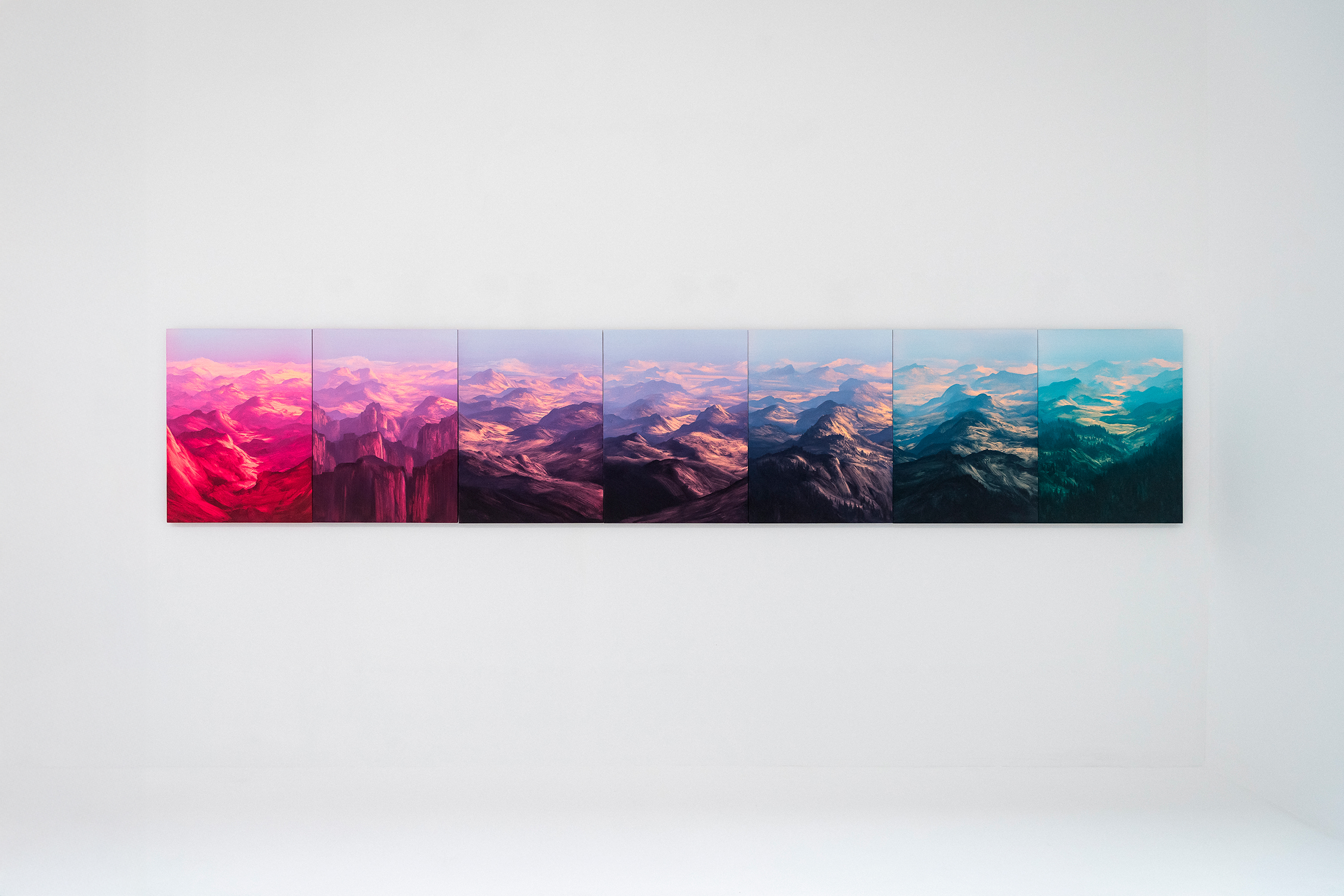
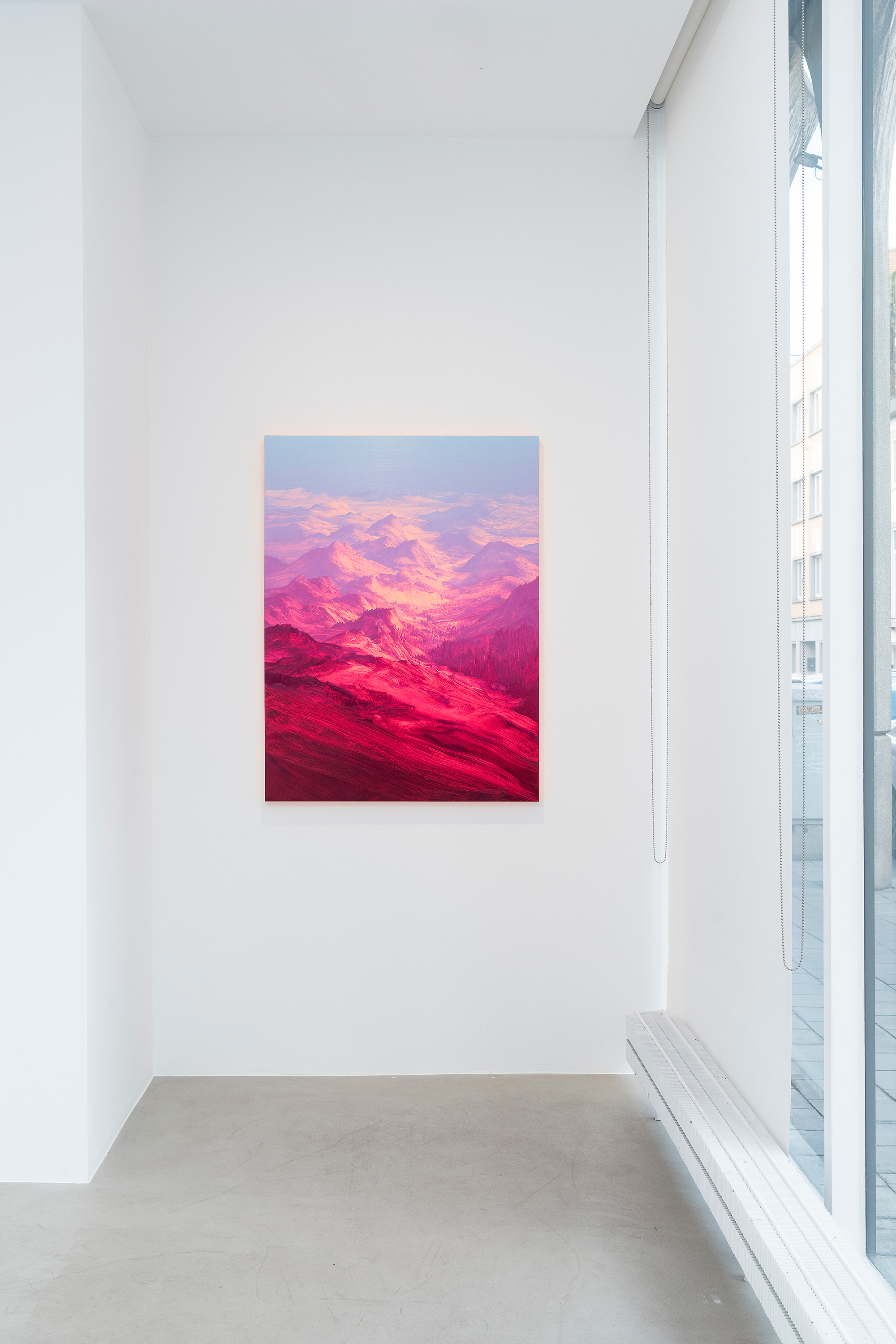
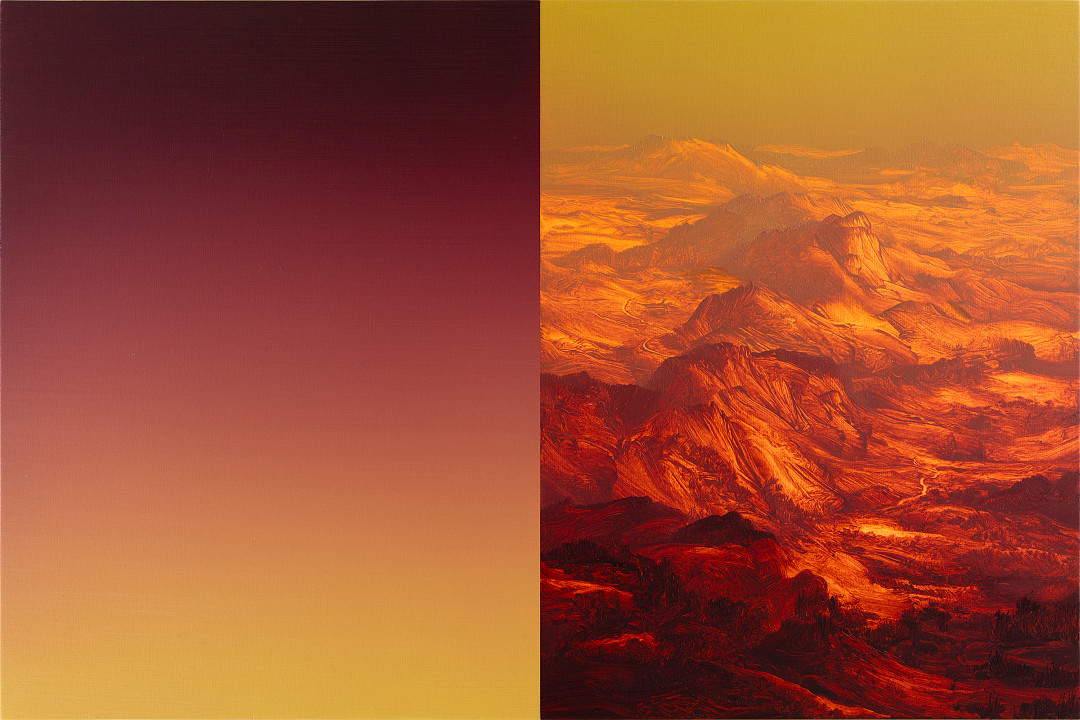
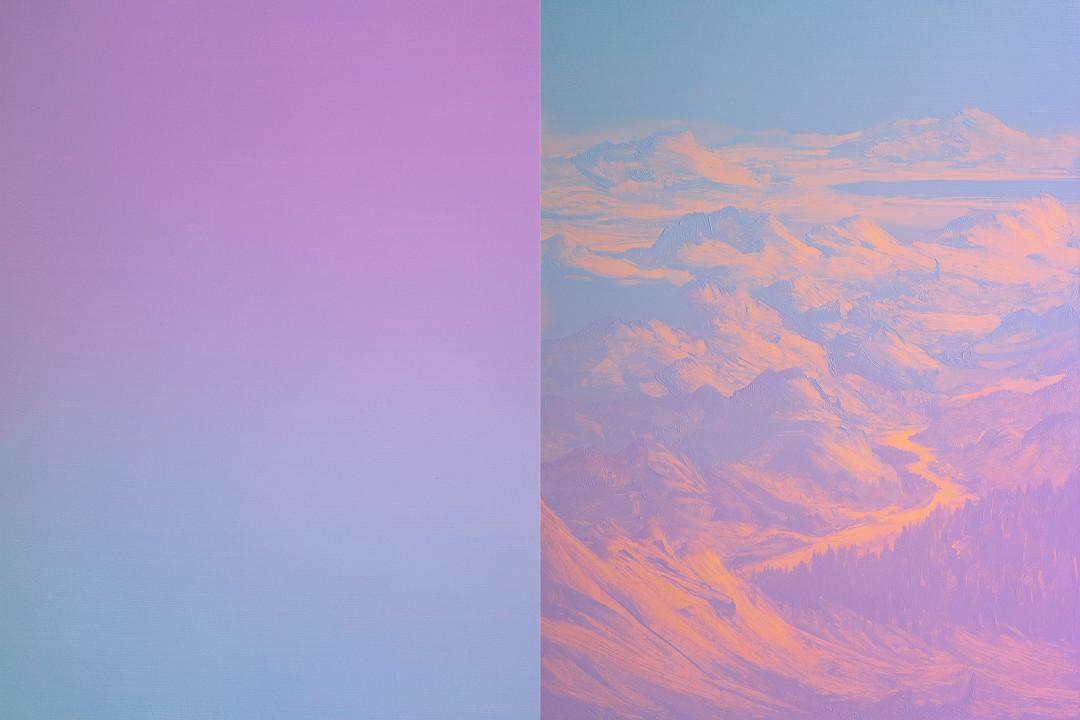
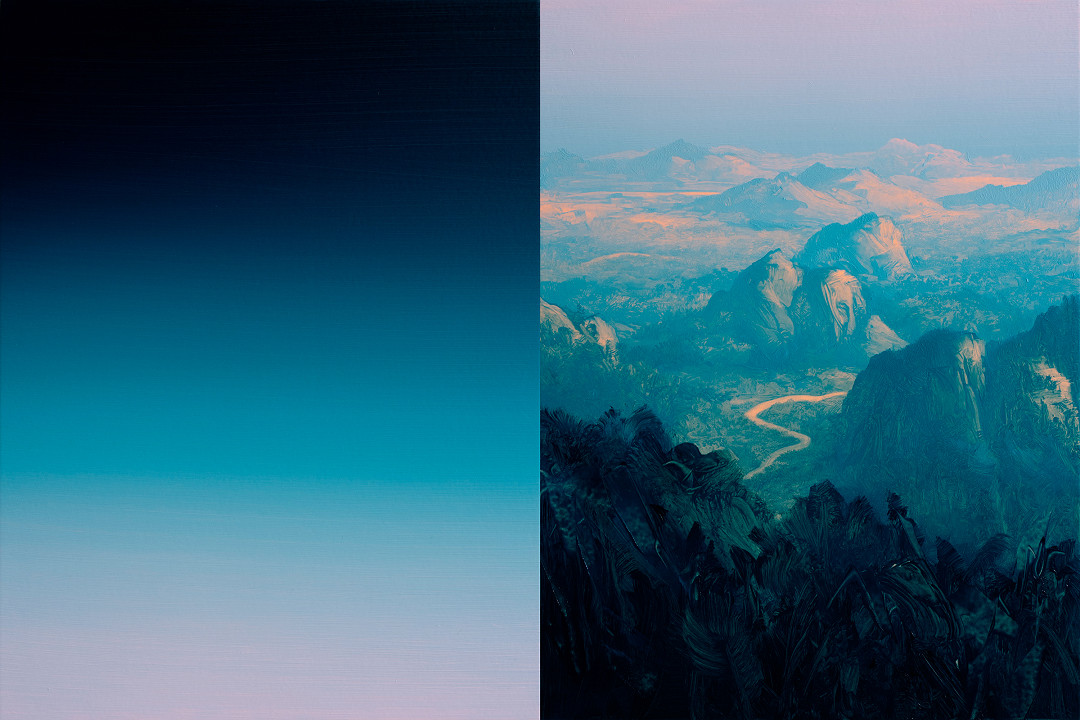
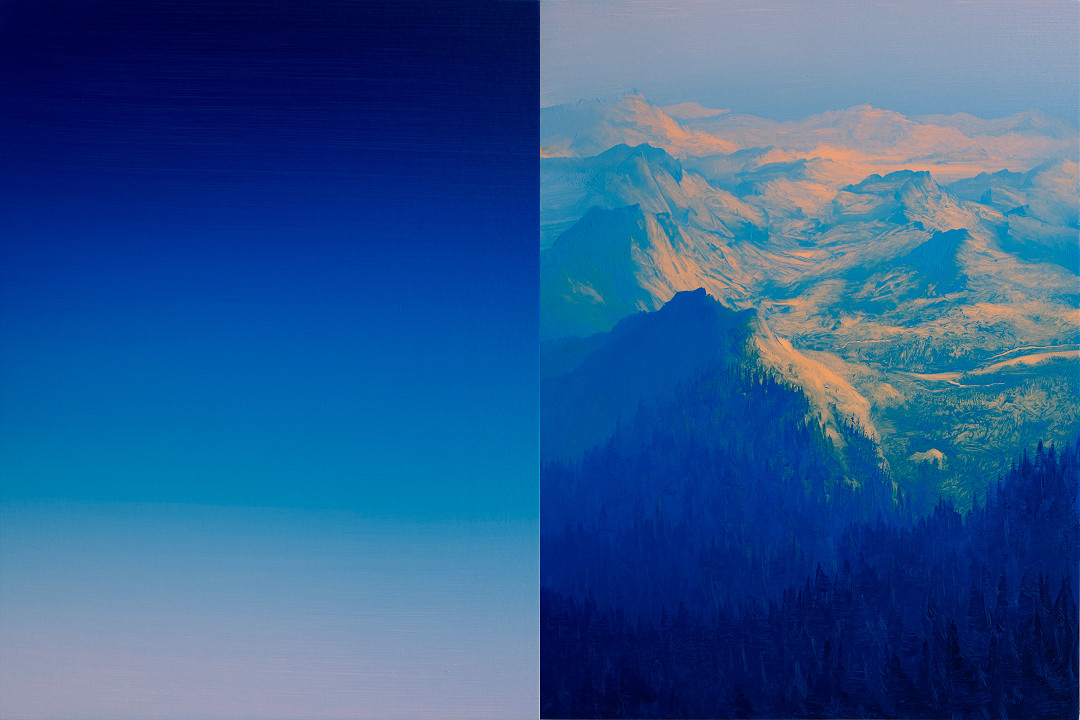
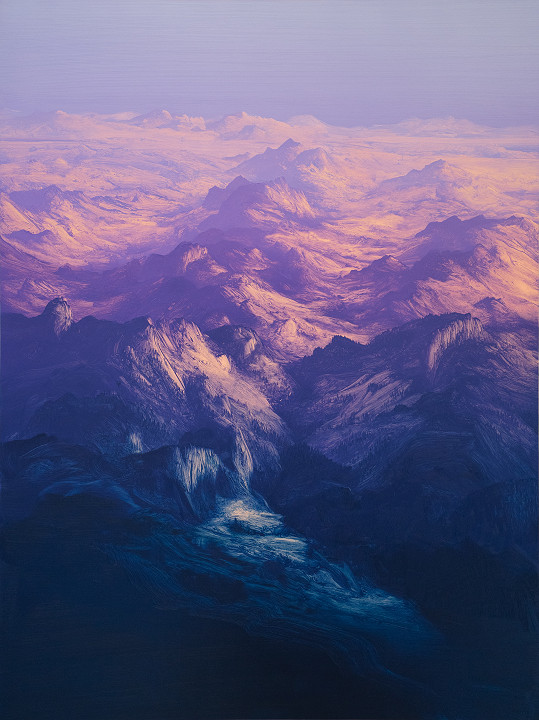
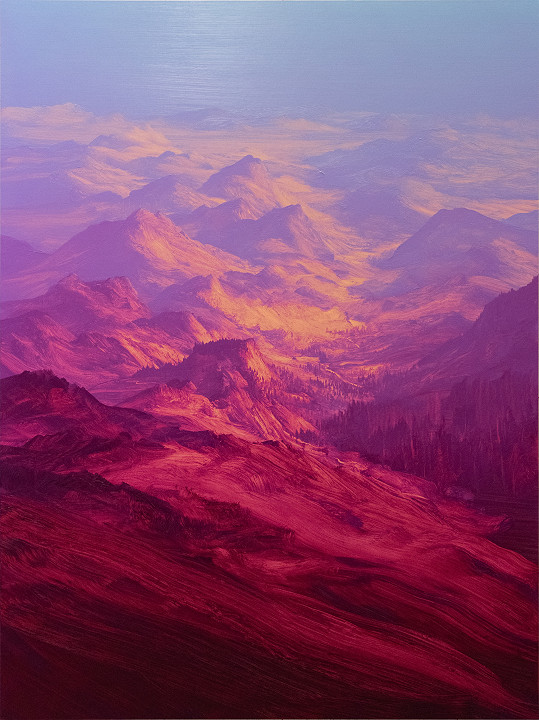
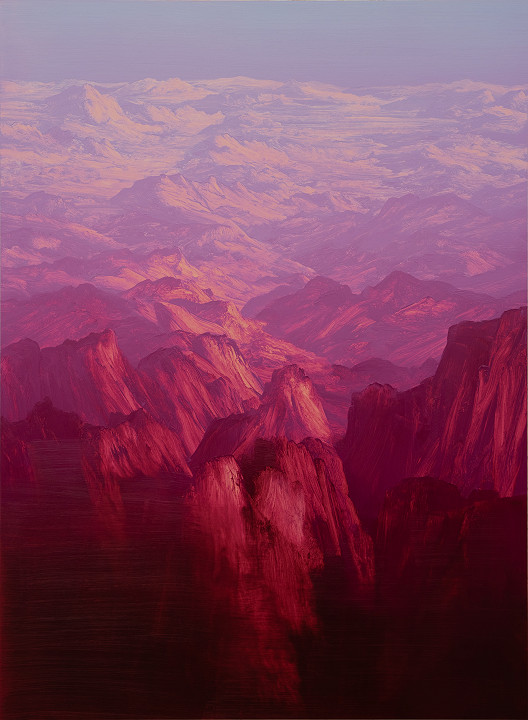
In his works from the Vistas series, Stefan Peters departs from an explicitly process-driven painting practice. His recent paintings evoke monumental and hushed landscapes, yet resist a singular reading as representation. Paint here does not function as a means to illustrate an image, but as the image itself. Peters allows ruptures, imperfections and coincidences to enter the making process. As a result, the painting develops not linearly but through detours and shifts. The canvases are not windows onto an external world. They are autonomous pictorial constructions in which looking slows down and becomes absorbed in layers, texture and color.
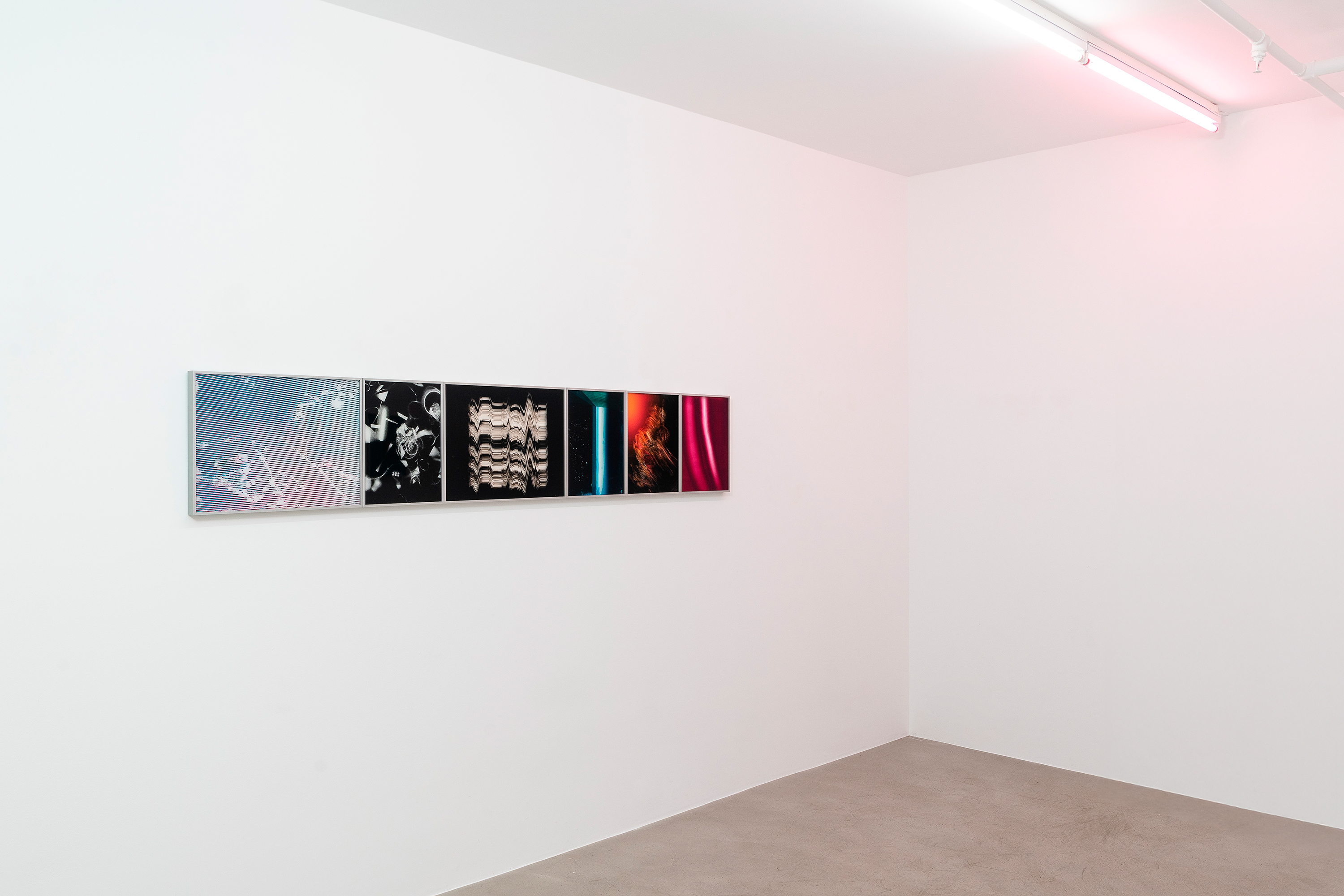
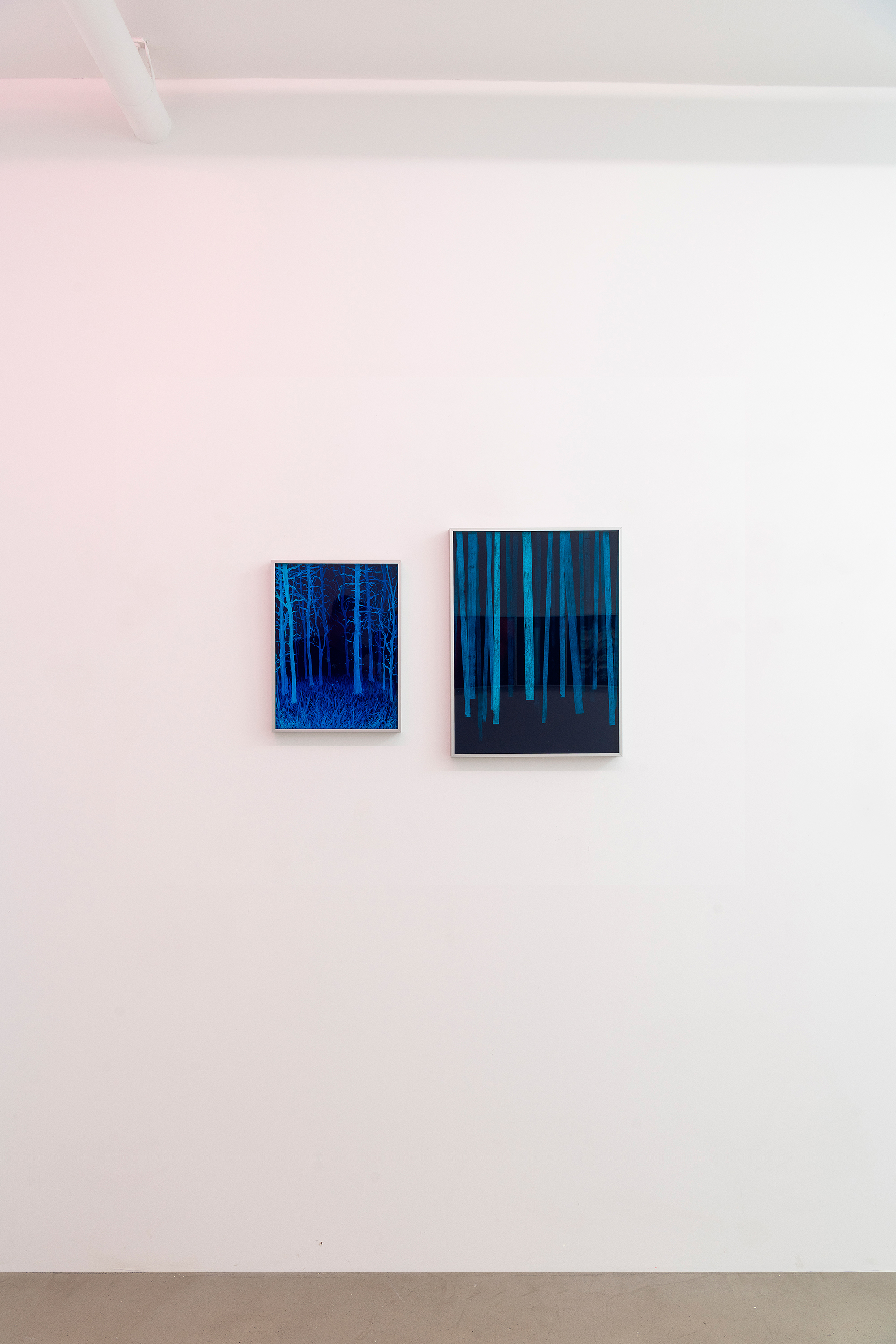
For this exhibition, Peters also presents for the first time works from his new Reverse series. In this body of work, he paints on the reverse side of plexiglass and in reverse order. Each gesture becomes definitive and leaves little room for correction. The glass does not function merely as a support. It acts as an active mediating layer between image and viewer. The painting always resides behind a surface and is perceived through incident light and reflection. The experience of the work changes with the conditions, while the image itself remains unchanged. As in Vistas, these images come into being during the act of making and remain deliberately simple. They do not settle into a single meaning and invite an attentive and slow mode of looking.
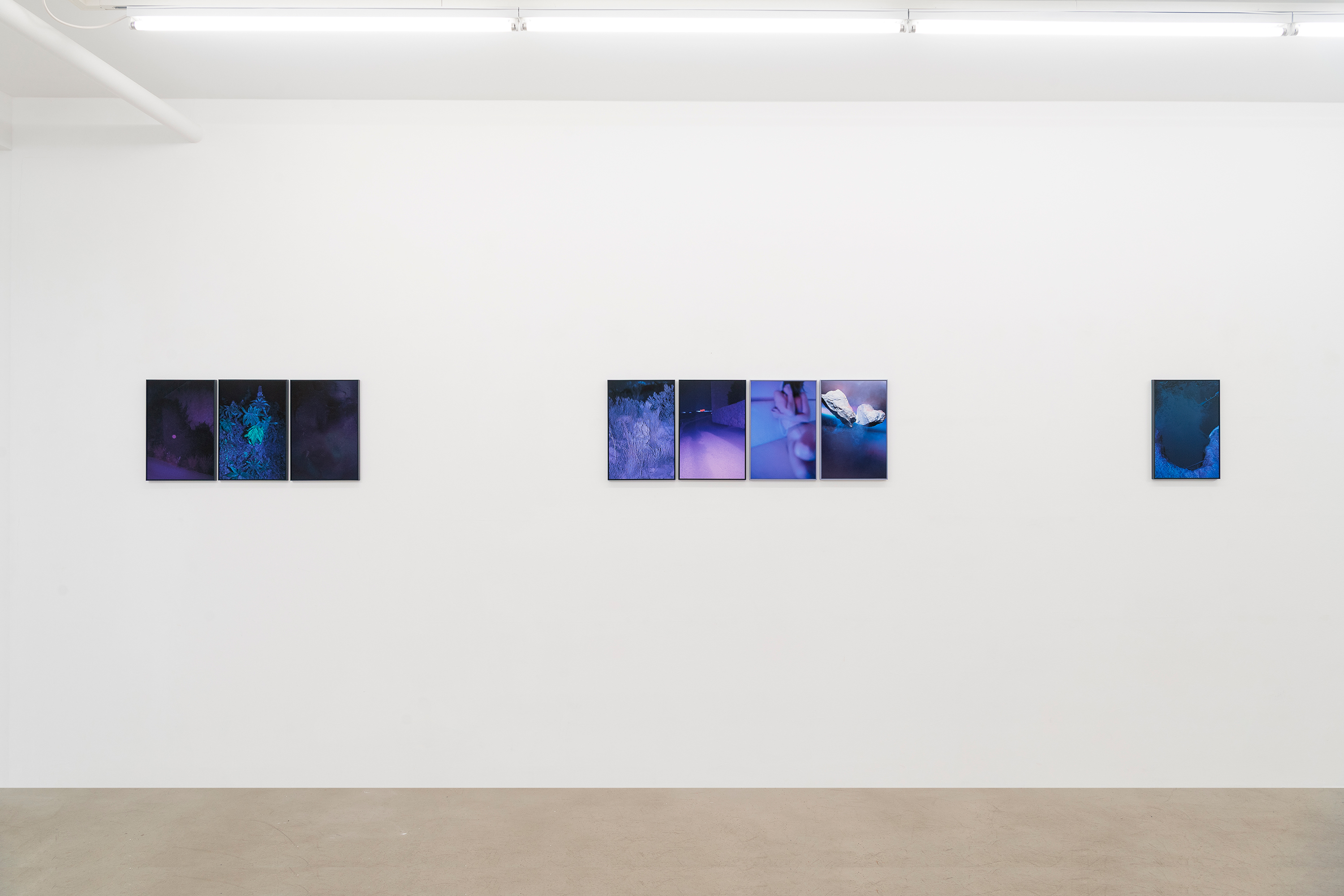
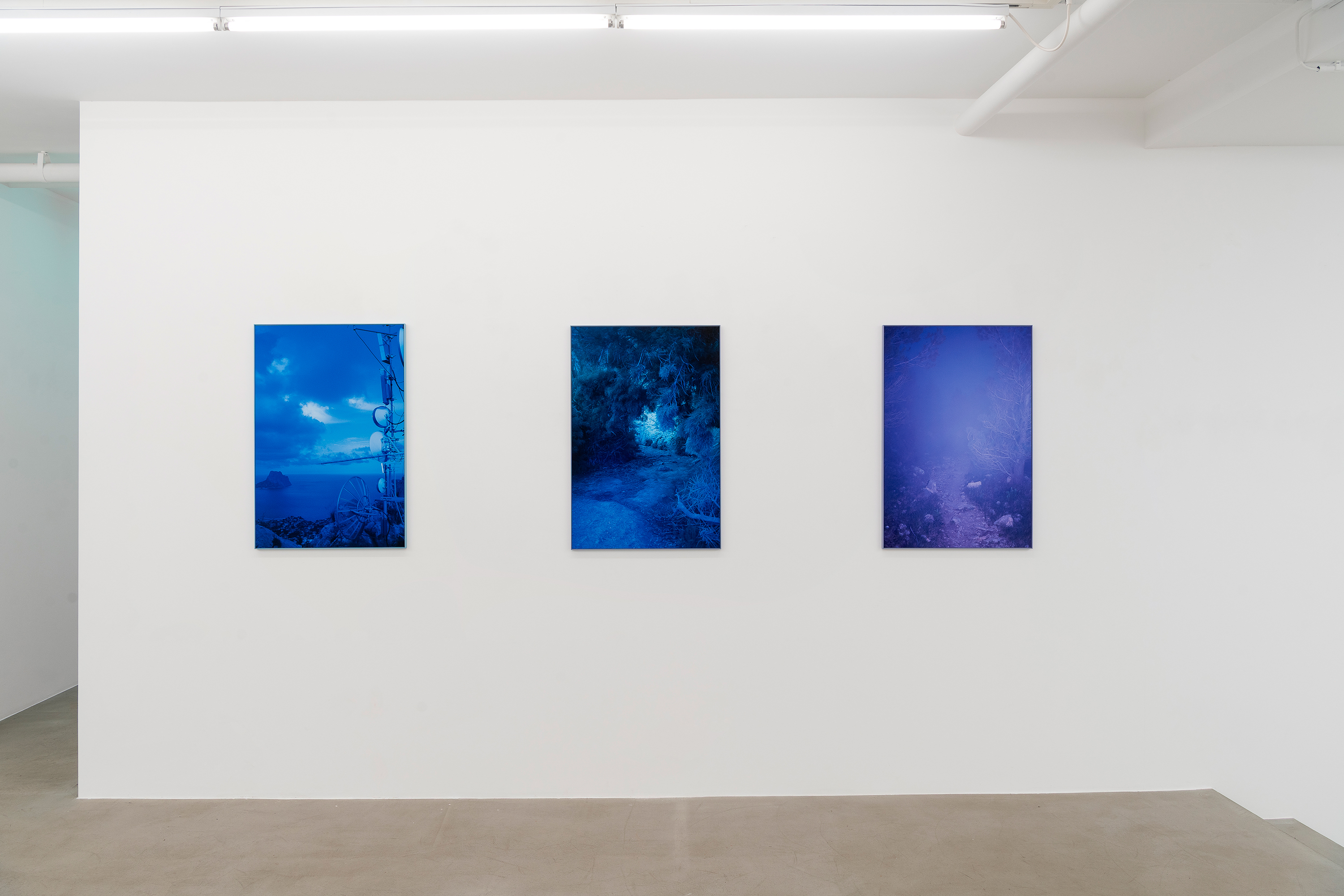
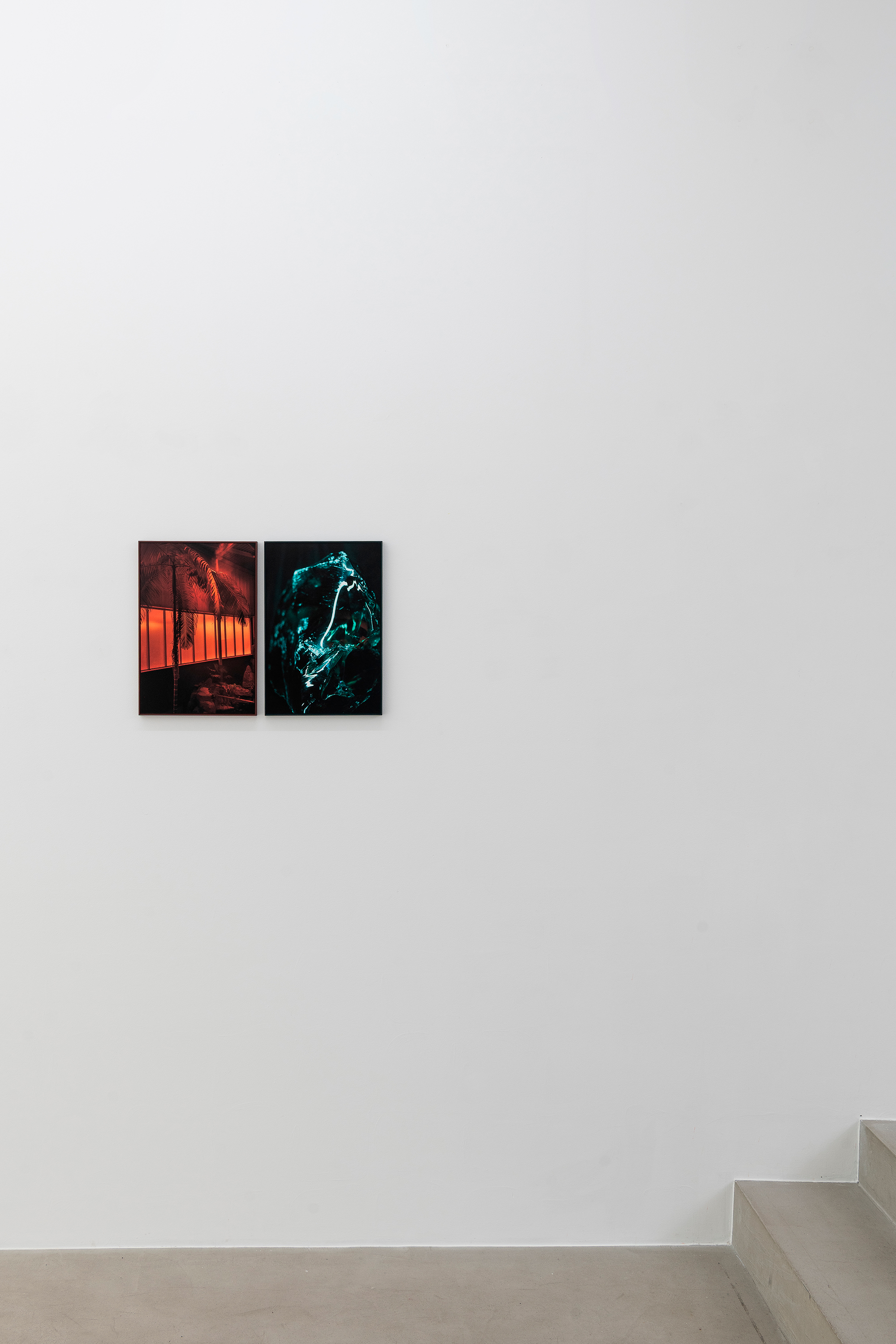
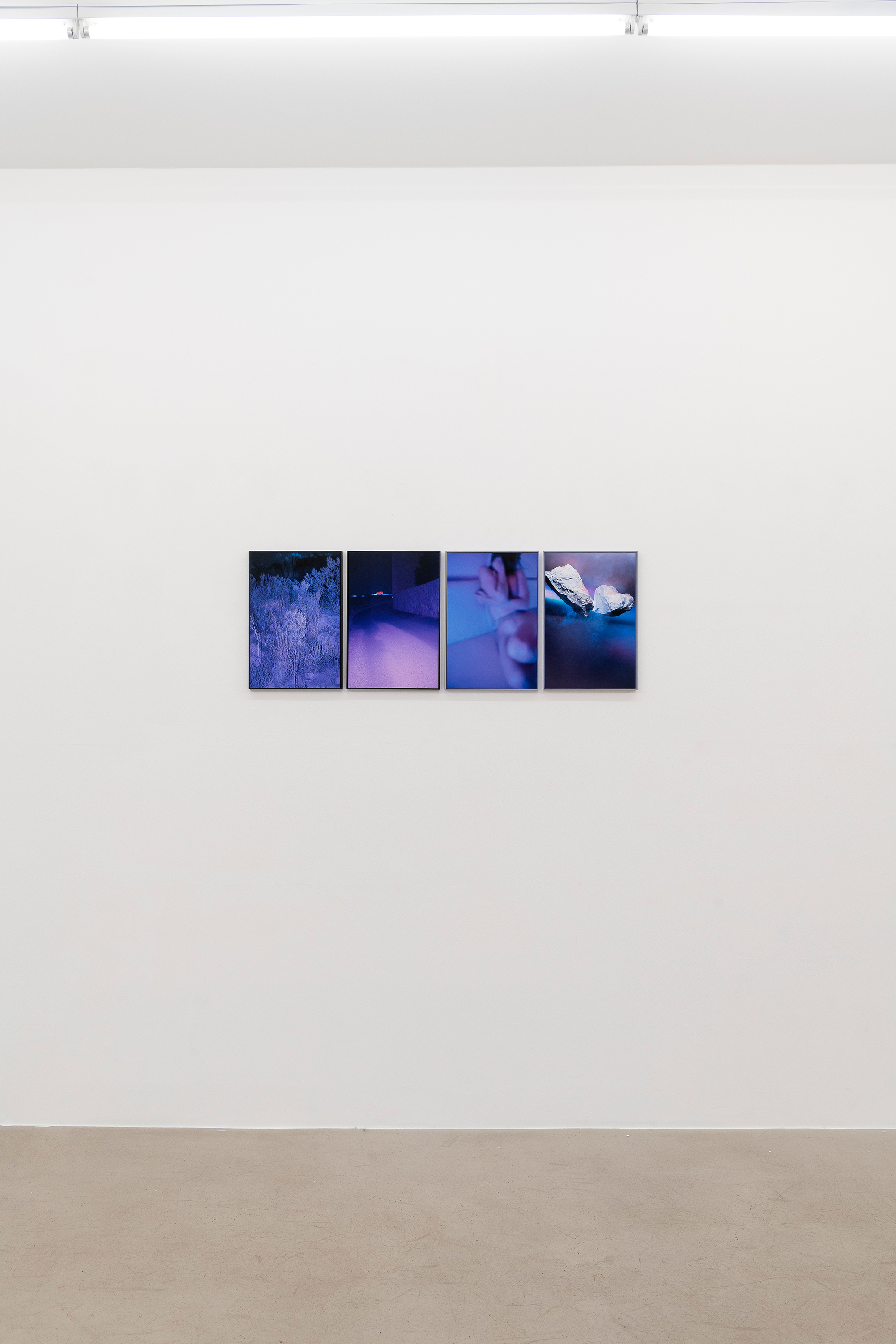
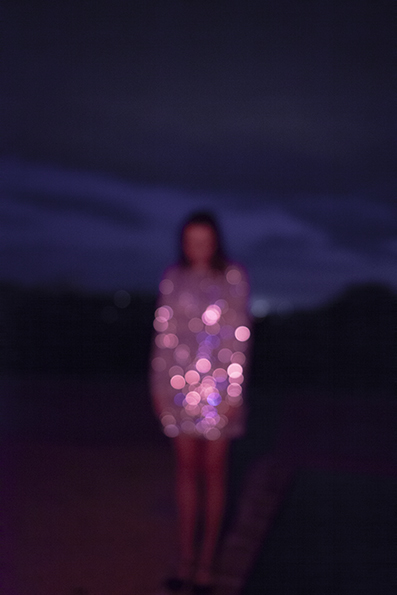
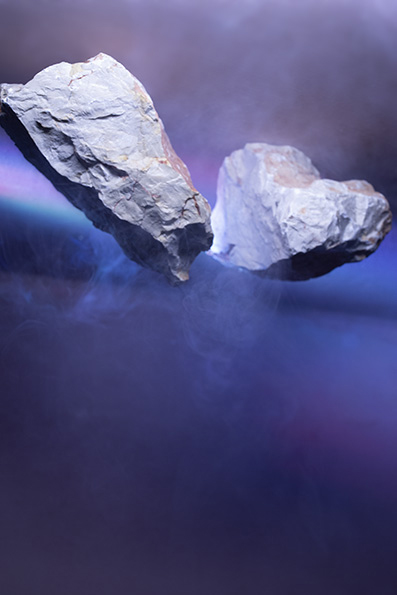
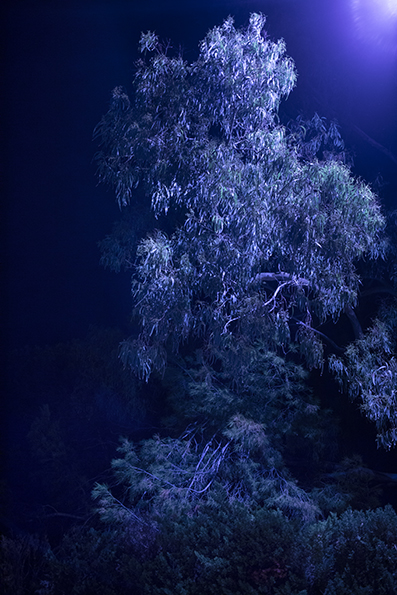
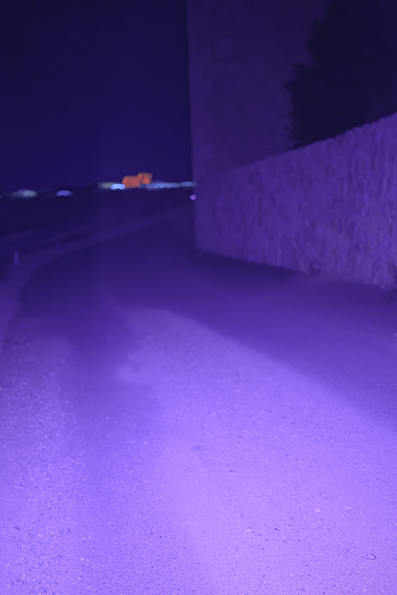
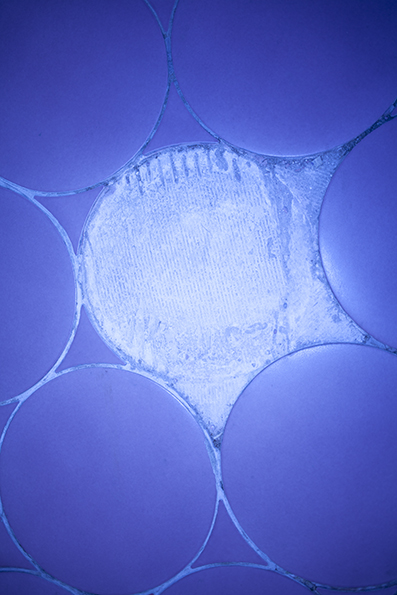
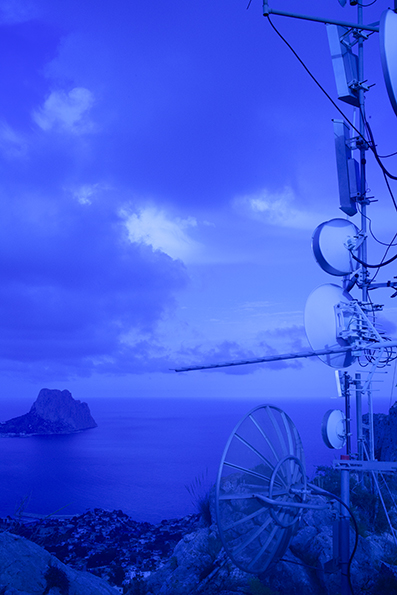
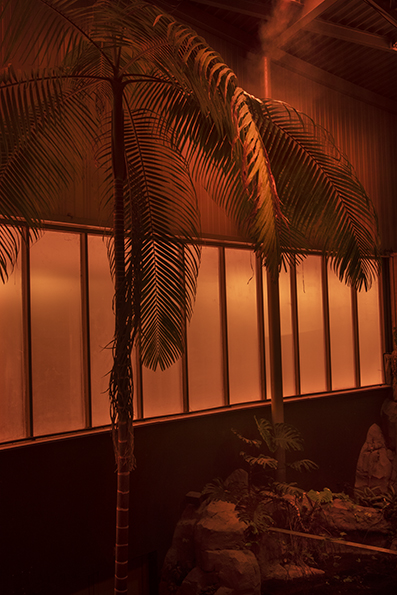
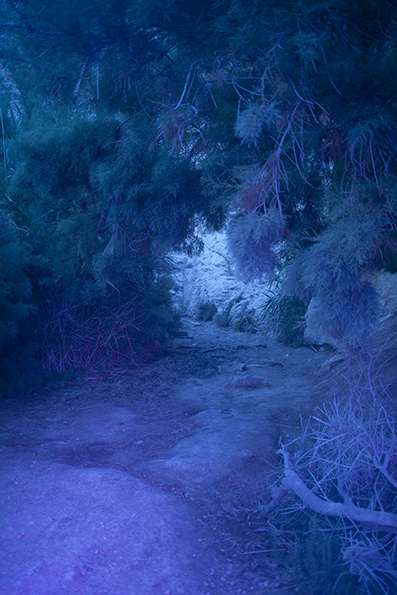
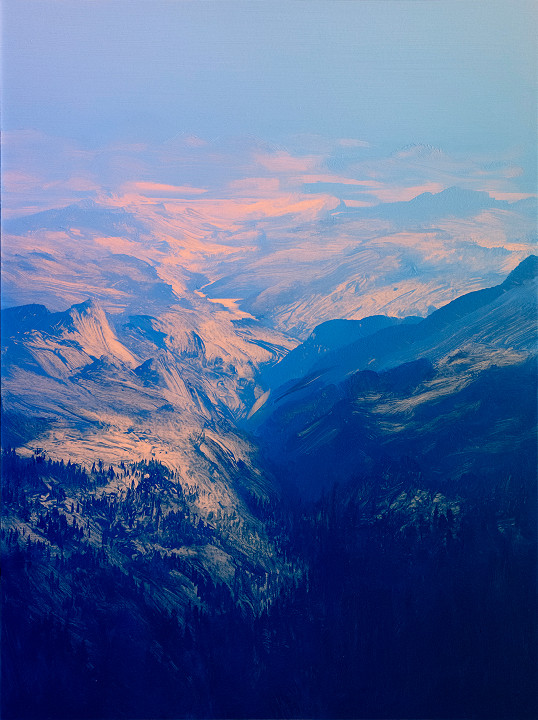
Peter H. Waterschoot approaches this dialogue from photography, which he treats as a discipline of study, selection, travel, delay and experience. In How the Light Gets In, he presents for the first time a prelude to his long-term project ATOPOS. This project takes the form of a visual essay in the making that seeks to create a metaphysical experiential space detached from geographical anchoring. With a background in urban night photography that developed from a film noir sensibility and was deepened during a masterclass with Todd Hido, Waterschoot investigates how images can convey distance, melancholy and inner states without becoming narrative. The city functions both as a setting and as a psychological space. It is marked by a distinctly European restraint and a strong attention to atmosphere.
In his recent work, the context shifts toward nature and landscape without abandoning the discipline of the urban gaze. Evening light and subtly applied artificial light replace urban illumination and render orientation uncertain. Color plays a key role. Purple, deep blue and pine green fall like a veil over the image and open a contemplative space in which time slows down. Waterschoot’s images evade fixed photographic categories and situate themselves in an in-between time between what has been and what is yet to unfold. In this active emptiness, related to the concept of atopos or the non-place, light becomes an experience that emerges slowly and conditionally.
How the Light Gets In reveals both the unpredictable character of the two oeuvres and the quiet dialogue between painting and photography. The exhibition functions as an invitation to slow down and pay attention. It proposes a way of looking that does not consume but leaves things open. In that space, between rupture and continuity and between matter and perception, it becomes visible and palpable how light seeps in.