Carl De Keyzer
Extra Libros
18.03.2006 - 05.06.2006
Zeedijk 635 - Knokke
Carl De Keyzer (Kortrijk 1958) is a world-famous photographer. Many of his photos are already part of the collective visual memory of our time. He is a photographer par excellence. He uses typical photographic techniques: choosing a frame and a moment. He does not stage his images, no, he cuts them out of what already exists. He is called the most important living 'real' Belgian photographer.
From 1982 to 1989 he was a photography teacher at the Royal Academy of Fine Arts in Ghent, during the same period he was the founder and co-director of the photo gallery XYZ in Ghent. He invited the most eminent photographers in the world there. It became his level. In 1990 he became a 'nominee' at the photo agency Magnum and in 1994 a full member. He has already held around a hundred solo exhibitions all over the world. Each new photo book with his work is an important event in the world of photography.
Het Zwart Huis brings previously unpublished photos by Carl De Keyzer. This is a unique opportunity. Indeed, every project by this photographer is the result of long and many journeys, extensive research and test shots. Ultimately, only a selection of the work will appear in the exhibition and the book. This creates curiosity about the other work, the unseen, the photos where he doubted whether or not to include them in the series. These - often important - photos can now be seen. And because Het Zwart Huis has seven rooms and Carl De Keyzer made seven original photo books, he opted for one room per book.
The seven books:
Oogspanning (1984)
The photos were taken between 1981 and 1984. The young Carl De Keyzer brings them in a book that he publishes himself. Already with his own style. The photos are the result of a number of trips along the French, Belgian and English coastal towns.
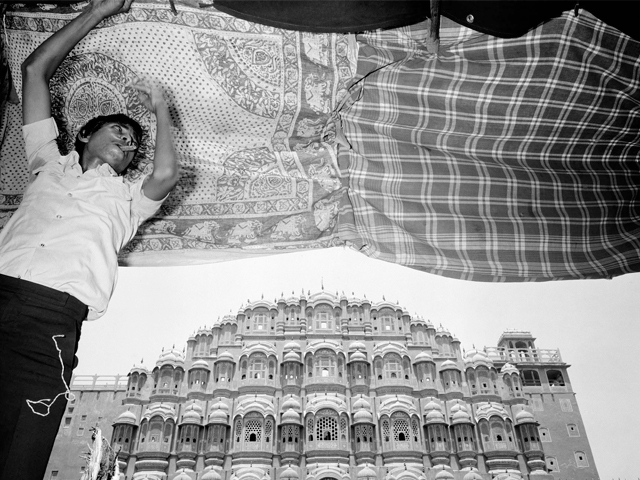
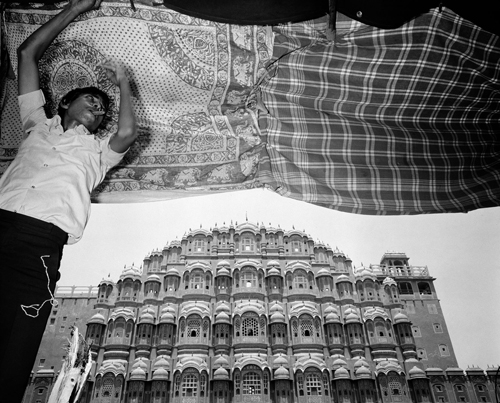
India (1987)
The first major book by Carl De Keyzer. During the monsoon season of 1986, 1986 and 1987 he went to India. He encountered major problems and laughing people at the same time. Against a vibrant background he photographed those people clearly and sharply in the foreground. It gave India a different face.
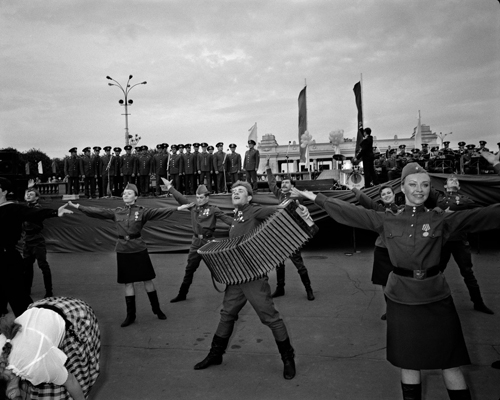
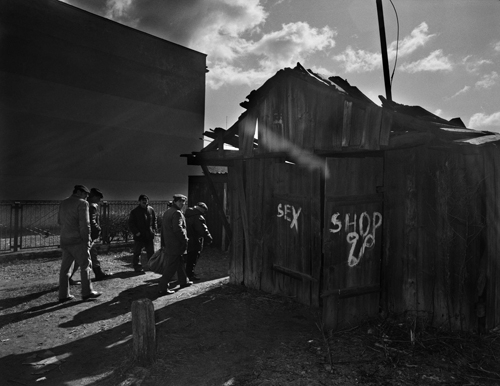
Homo Sovieticus (1989)
During the years of glasnost 1988 and 1989 he photographed a strange country, with many men in the picture. It is a powerful and mysterious photo series. Carl De Keyzer created an atmosphere of incomprehensibility.
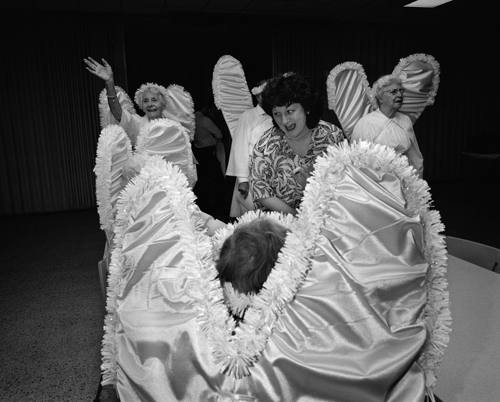
God. Inc. (1992)
The book caused a stir. It showed a sore spot in American culture, a collective gullibility. To make those shots Carl De Keyzer traveled through the country for a year and a half in a mobile home. It was the time of the Gulf War.
East of Eden (1996)
With a less sharply defined subject, but with an intelligent approach, Carl De Keyzer photographed the border area between cultural worlds. The Eastern Bloc countries after the fall of the wall. Critics often consider this to be his best work. Until now.
EVROPA (2001)
After the Eastern Bloc and the United States, Carl De Keyzer solemnly enters his own Europe and he does so in the footsteps of the emperor who is somewhat his namesake. In fact, he questions the old cultural manifestations in which an old glory is extolled. The book is not only a photo book, it is also a thought exercise.
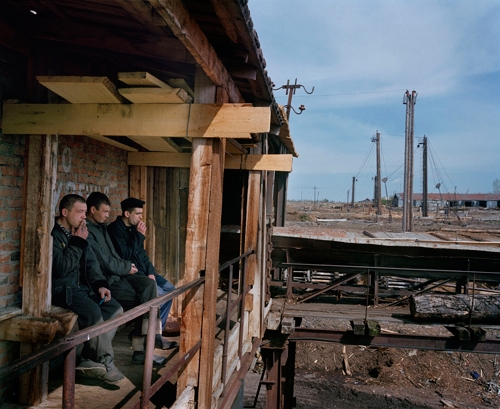
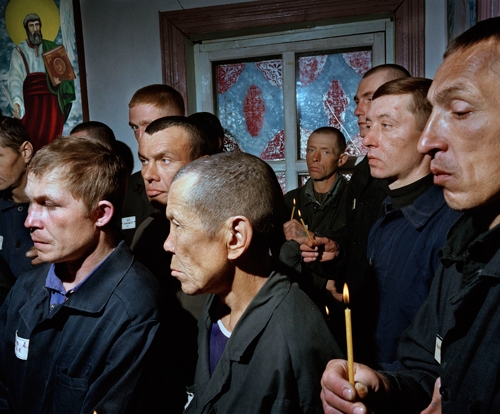
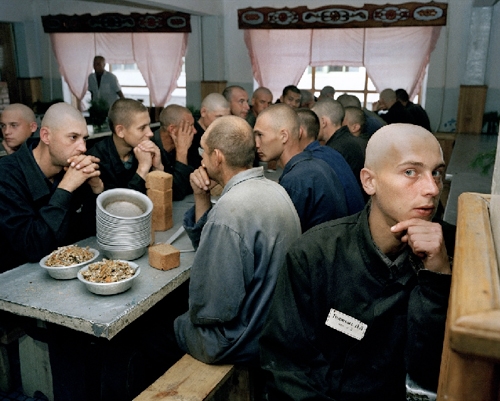
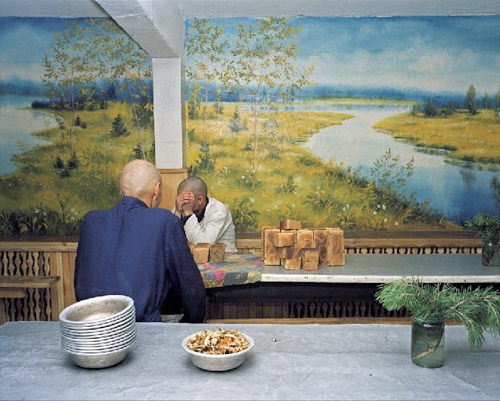
Zona (2003)
A photo series about the prison camps in Siberia. It is the first major series in colour. The photos show the unknown, the most remote and guarded gatherings of people, and how humanity develops there. It is a series without heroism, painfully recognisable, as if it were normal.